
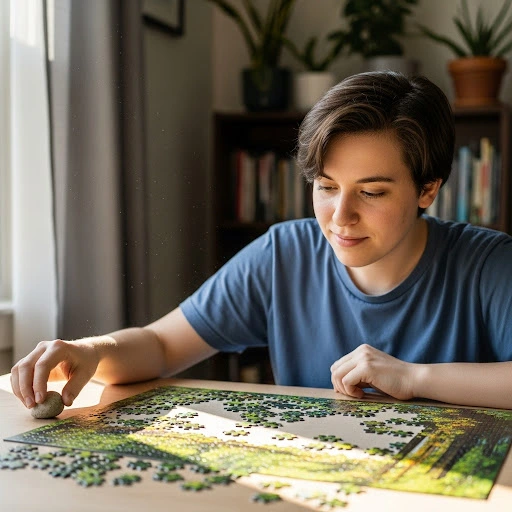
In a world that often prizes conformity, the autistic community stands as a powerful reminder of the beauty in difference. Autism, a complex and varied spectrum, is a part of neurodiversity—the idea that there is a wide range of human brains and that these differences should be respected and celebrated, not seen as deficits.
Beyond Stereotypes
For many, the image of autism is shaped by outdated and often inaccurate stereotypes. Yet, the reality is far richer. Autism is not a single story; it is a tapestry woven with countless threads of unique experiences, strengths, and challenges. Autistic individuals may have different ways of communicating, processing sensory information, and interacting with the world. Some are non-speaking, while others are incredibly articulate. Some thrive on routine, while others are more flexible. The one constant is that each autistic person is an individual, and the best way to understand them is to listen to their unique voice.
The Power of Empathy and Acceptance
Understanding autism starts with a simple shift in perspective. Instead of asking, “How can we make them more like us?” we should ask, “How can we make our world more inclusive and accepting of them?” This means creating spaces where sensory sensitivities are respected, where different communication styles are valued, and where a person’s value is not measured by their social skills. It’s about recognizing that what might seem like a “quirk” or “odd behavior” is often a valid and necessary way of navigating the world.
A Celebration of Strengths
The autistic community has given the world countless gifts. From art and music to science and technology, autistic individuals have made invaluable contributions. Many possess unique strengths, such as incredible attention to detail, a deep capacity for empathy, and a passionate focus on their interests. When we create a society that embraces neurodiversity, we’re not just helping autistic people; we’re unlocking a richer, more vibrant world for everyone.
Conclusion
Let’s move beyond a model of “curing” or “fixing” autism and instead embrace it as a natural part of human variation. By fostering empathy, promoting acceptance, and celebrating the unique contributions of autistic individuals, we can build a world where everyone, regardless of their neurological wiring, has the opportunity to thrive.