Australia’s disability support system is entering a significant period of change. As the National Disability Insurance Scheme (NDIS) evolves, governments are introducing a new approach called Foundational Supports—designed to ensure children and families receive the right help, at the right time, without relying solely on the NDIS.
At the heart of this reform is Thriving Kids, the first phase of Foundational Supports. The initiative aims to improve access to early intervention for young children with developmental delay or autism while creating a more connected support system across healthcare, education, and community services.
What Are Foundational Supports?
Foundational Supports are community-based disability services that sit alongside the NDIS. Rather than replacing the NDIS, they are intended to provide accessible, early assistance for people whose needs may not require an individual NDIS plan.
The concept emerged from the Independent NDIS Review, which recommended building stronger community supports so Australians with disability can receive timely assistance closer to home. The Review also proposed that these supports be jointly funded and delivered by the Australian Government and state and territory governments, creating a more integrated disability support ecosystem.
Introducing Thriving Kids
The first national Foundational Supports program is Thriving Kids, focusing on children aged 8 years and under with developmental delay or autism who have low to moderate support needs.
Governments have committed $4 billion over five years to deliver the program, making it one of Australia’s largest investments in early childhood disability support outside the NDIS. According to the Australian Government, eligible children will begin accessing Thriving Kids services from 1 October 2026, with full implementation expected by 1 January 2028.
Why This Matters
Early childhood is one of the most important stages for development. Research consistently shows that timely intervention can improve communication, learning, social participation, and long-term wellbeing.
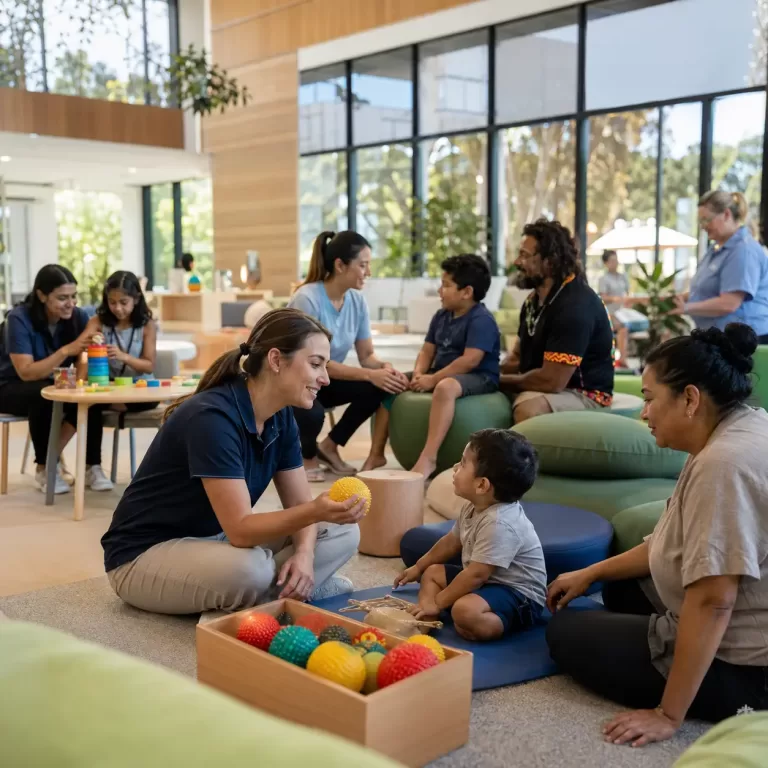
Through Thriving Kids, families are expected to access supports more quickly through familiar settings such as health services, early childhood education, and local community providers. The model also aims to reduce lengthy assessment processes and make support easier to navigate.
Importantly, children with higher or more complex disability support needs will continue to access the NDIS, while Thriving Kids is intended to provide earlier assistance for children whose needs can be effectively supported through community-based services.
A Shift Towards Prevention
The introduction of Foundational Supports represents a broader shift in disability policy—from responding after needs become significant to investing earlier in children’s development.
Instead of waiting until challenges become more severe, governments hope earlier intervention will help children build skills, strengthen family supports, and participate more fully in everyday life.
This preventative approach also aims to improve the long-term sustainability of the NDIS by ensuring families can access appropriate services through multiple pathways rather than relying exclusively on the Scheme.
Challenges Ahead
While many stakeholders support the vision of stronger community-based supports, the rollout has also prompted important discussions.
State and territory governments, disability organisations, and advocacy groups have emphasised the need for clear implementation plans, consistent service quality, and strong coordination between governments. They have also highlighted the importance of ensuring no child or family experiences gaps in support during the transition to the new model.
These conversations reflect a shared goal: making sure reforms improve outcomes without reducing access to essential services.
Looking Forward
Foundational Supports and Thriving Kids represent one of the biggest changes to Australia’s disability support landscape since the introduction of the NDIS.
If successfully implemented, the reforms could provide earlier, more accessible, and more coordinated support for thousands of Australian children and their families. By combining healthcare, education, and community services with targeted early intervention, the initiative seeks to build stronger foundations for children’s development while supporting a more sustainable disability support system for the future.
As implementation progresses over the coming years, families, providers, and governments will be watching closely to see how these reforms translate into better outcomes for children—and whether Thriving Kids delivers on its promise to help every child reach their full potential.
Official Government Information