
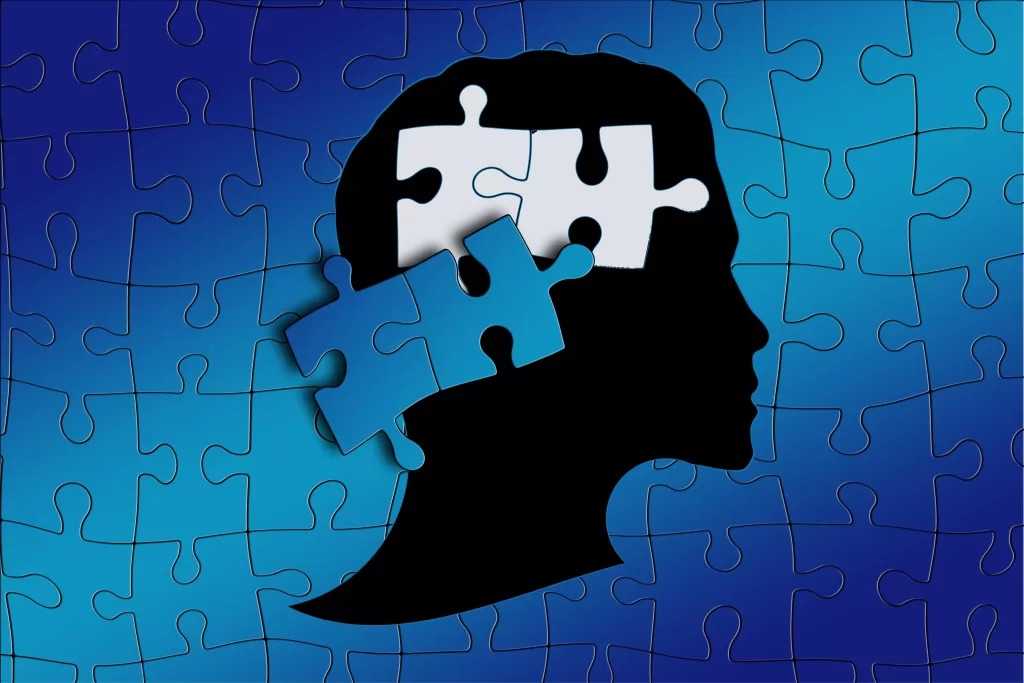
In a discovery that is reshaping how scientists understand the brain, new research is uncovering unexpected connections between autism and Alzheimer’s disease—two conditions that, until recently, were thought to have little in common.
Autism is typically diagnosed in early childhood and affects how individuals communicate, behave, and experience the world. Alzheimer’s, on the other hand, is a progressive neurodegenerative disease that usually appears later in life, slowly eroding memory and cognitive function. At first glance, the two conditions seem to exist at opposite ends of the human lifespan.
But researchers are now finding that they may share deeper biological roots.
A Surprising Overlap
Recent studies suggest that individuals on the autism spectrum may have a higher likelihood of developing Alzheimer’s disease or other forms of dementia later in life. While the exact risk is still being studied, some findings indicate that autistic individuals could be more than twice as likely to develop early-onset Alzheimer’s compared to the general population.
This doesn’t mean autism causes Alzheimer’s. Instead, scientists believe both conditions may stem from similar underlying processes in the brain—particularly involving how brain cells connect and communicate.
The Role of Synapses
At the center of this research are synapses—the tiny connections between brain cells that allow neurons to send signals to one another. These connections are essential for everything from memory and learning to behavior and perception.
In autism, synapses may develop differently during early brain formation. This can affect how neural circuits are built and how information flows through the brain. In Alzheimer’s disease, synapses are gradually lost or damaged over time, leading to the cognitive decline that defines the condition.
In other words, autism may involve differences in how synapses are formed, while Alzheimer’s involves how they break down.
This shared focus on synapses is leading scientists to rethink both conditions—not as entirely separate disorders, but as different expressions of how brain connectivity can change over a lifetime.
A Key Gene Connection
One gene drawing particular attention is known as SHANK3. This gene plays a crucial role in maintaining synaptic structure and function.
In autism, mutations or disruptions in SHANK3 can interfere with how synapses form and stabilize, contributing to developmental differences. In Alzheimer’s disease, levels of SHANK3 appear to decline as the disease progresses, which may contribute to the breakdown of neural connections.
This dual role suggests that the same molecular systems influencing early brain development could also be involved in later-life neurodegeneration.
Cellular “Cleanup” Systems
Another shared factor involves how brain cells manage waste and maintain internal balance. Researchers are focusing on a biological system known as the mTOR-autophagy pathway.
Autophagy is essentially the brain’s recycling system—it clears out damaged proteins and cellular debris. When this system doesn’t function properly, harmful materials can build up inside cells.
In Alzheimer’s disease, this buildup is linked to the accumulation of toxic proteins associated with memory loss. In autism, disruptions in the same pathway may affect how brain cells develop and function early in life.
This overlap suggests that improving the brain’s ability to “clean itself” could become a target for treating both conditions.
Structural Similarities in the Brain
Scientists are also beginning to observe similarities in brain structure between autism and Alzheimer’s, although this area of research is still in its early stages.
Some studies point to changes in the hippocampus, a region critical for memory and learning. Others highlight differences in how the brain manages fluids and clears waste—processes that are essential for maintaining healthy neural function.
While these findings are not yet conclusive, they add another layer to the growing evidence that autism and Alzheimer’s may share common biological pathways.
Rethinking Treatment Approaches
Perhaps the most exciting implication of this research is how it could influence future treatments.
For decades, Alzheimer’s research has largely focused on amyloid plaques and tau tangles—abnormal protein accumulations in the brain. While these remain important, many scientists now believe that focusing solely on these factors may not be enough.
The new findings suggest that protecting synapses and improving overall brain connectivity could be just as critical.
This opens the door to entirely new therapeutic strategies. For example, treatments designed to strengthen or stabilize synapses in autistic individuals might one day be adapted to slow or prevent synaptic loss in Alzheimer’s patients.
Similarly, drugs that target cellular cleanup systems could potentially benefit both conditions by improving how brain cells manage stress and damage.
A Lifespan Perspective on Brain Health
One of the most significant shifts emerging from this research is the idea that brain health should be viewed across the entire lifespan.
Instead of treating autism and Alzheimer’s as isolated conditions, scientists are beginning to see them as part of a broader continuum of brain development and aging.
Early-life differences in neural connectivity may influence how the brain responds to aging decades later. Understanding these connections could help researchers identify risk factors earlier and develop interventions that begin long before symptoms appear.
Important Caveats
Despite the excitement surrounding these discoveries, researchers emphasize that the science is still evolving.
The observed links do not mean that all autistic individuals will develop Alzheimer’s, nor do they imply a direct cause-and-effect relationship. Many factors—including genetics, environment, and lifestyle—likely play a role in shaping outcomes.
More long-term studies are needed to fully understand the relationship and to determine how these findings can be translated into effective treatments.
Looking Ahead
The emerging connection between autism and Alzheimer’s represents a major shift in neuroscience. By uncovering shared mechanisms between these conditions, researchers are gaining new insights into how the brain develops, functions, and changes over time.
This knowledge could ultimately lead to more effective treatments—not just for autism and Alzheimer’s, but for a wide range of neurological conditions that involve disruptions in brain connectivity.
For now, the research offers something equally valuable: a new way of thinking about the brain—not as a static organ, but as a dynamic system shaped by processes that span from early development to old age.
And in that perspective lies the potential for breakthroughs that could transform millions of lives.
Source link : https://www.washingtonpost.com/health/2026/04/02/autism-alzheimers-link-research-treatment