
Europe’s Bold 2026 Mandate for Neuro-Inclusive Workplaces and the End of the “Capability Gap”
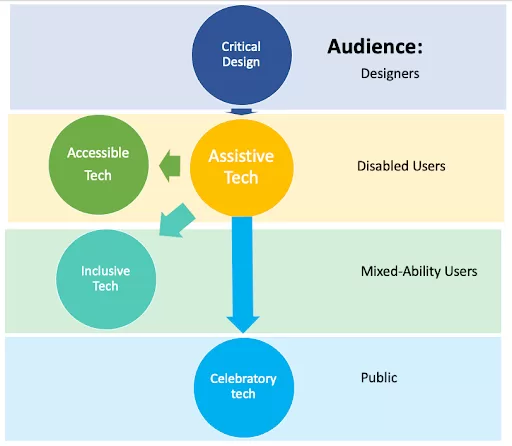
BRUSSELS, BELGIUM — As the calendar turns to January 2026, a quiet revolution is taking place across the corridors of power in Brussels and the boardrooms of the continent’s largest corporations. Following the landmark adoption of the “Disability Rights Strategy 2021–2030 Update” by the European Parliament in late November 2025, a new legislative era has […]
A New Era of Diagnostic Precision and Neuro-Affirming Care

BRUSSELS / AMSTERDAM — As of late 2025, Europe has officially entered a new epoch in the management of Attention-Deficit/Hyperactivity Disorder (ADHD). Following a massive multi-national review by the European Adult ADHD Network (EAAN) and the European Psychiatric Association (EPA), a harmonized set of clinical guidelines has been implemented across the continent. These 2025 updates […]
Navigating the 2024-2025 Medication Crisis and the Transformation of Neurodevelopmental Care

LONDON / NEW YORK / SYDNEY — The global landscape of mental health is currently undergoing a seismic shift as Attention-Deficit/Hyperactivity Disorder (ADHD) moves from the periphery of pediatric medicine to the center of a worldwide public health conversation. As 2024 concludes and 2025 begins, a “perfect storm” of surging demand, regulatory bottlenecks, and a […]
Australia Launches Landmark 10-Year National Autism Strategy to Bridge Systemic Inequities
![CANBERRA, AUSTRALIA — In a historic move that signals a fundamental shift in how the nation views neurodivergence, the Australian Government has officially inaugurated its first-ever National Autism Strategy (2024–2034). The release marks the culmination of years of advocacy from the autistic community, aiming to address staggering disparities in health, employment, and education that have historically left autistic Australians on the periphery of society. As 2024 closes and the 2025 implementation phase begins, the strategy stands as a blueprint for a "whole-of-life" approach. It moves beyond the clinical "medical model" of autism, which focuses on deficits and "cures," toward a "neuro-inclusive model" that emphasizes rights, accessibility, and the celebration of different ways of thinking. A Community in Crisis: The Data Behind the Reform The urgency for a national strategy is underscored by data that disability advocates describe as a "national shame." Despite Australia having one of the world's most comprehensive social safety nets, autistic people continue to face some of the poorest outcomes of any disability group in the country: The Employment Chasm: Only 22% of autistic adults are in paid employment—a figure that has remained stagnant for over a decade, despite the "Autism at Work" initiatives of major corporations. The Health Gap: Autistic Australians have a life expectancy approximately 20 years shorter than the general population. This is largely attributed to "diagnostic overshadowing"—where physical health complaints are dismissed as behavioral symptoms—and a higher prevalence of co-occurring conditions like anxiety, depression, and epilepsy. Educational Exclusion: Data from the Australian Bureau of Statistics indicates that 97% of autistic students face "educational restrictions," ranging from a lack of support in mainstream classrooms to frequent suspensions and "informal exclusions." The Four Pillars of the Strategy The National Autism Strategy is built upon four interconnected pillars, designed to provide a framework for state and federal cooperation over the next decade. 1. Social Inclusion and Acceptance The strategy seeks to move beyond "Autism Awareness" to "Autism Acceptance." This involves large-scale public education campaigns to reduce stigma and the "othering" of autistic individuals. It also mandates that government services, from public transport to libraries, incorporate "sensory-friendly" design principles, recognizing that many autistic people experience the world as a place of sensory overload. 2. Economic Inclusion To tackle the employment gap, the government has announced a "Neurodiversity in the Public Service" quota, aiming to lead by example. The strategy also includes funding for "inclusive recruitment" training for small and medium businesses. This involves moving away from traditional, socially-driven interviews—which often disadvantage autistic candidates—toward task-based assessments that allow candidates to demonstrate their actual skills. 3. Diagnosis, Support, and Services Perhaps the most controversial aspect of the strategy is its intersection with the ongoing NDIS (National Disability Insurance Scheme) overhaul. The strategy aims to standardize the diagnostic process across Australia to end the "postcode lottery." Currently, families in rural areas may wait years for a diagnostic assessment, while those in affluent city suburbs can pay thousands for a private diagnosis within weeks. The strategy also introduces the concept of "Foundational Supports"—services available in schools and community centers that do not require an NDIS package. The goal is to provide "just enough" support early on, rather than forcing families to wait until a crisis occurs to access the NDIS. 4. Health and Wellbeing The strategy commits to a "Neuro-affirming Health Framework." This includes training for GPs and hospital staff on how to communicate effectively with autistic patients and providing sensory-accessible clinical environments. There is also a specific focus on the mental health of autistic women and girls, who are often misdiagnosed or diagnosed much later in life than their male counterparts. The NDIS "Foundational Supports" Controversy While the National Autism Strategy has been broadly welcomed, it is launching alongside a period of significant anxiety regarding NDIS reform. The Australian Government’s push to ensure the NDIS is "financially sustainable" has led to fears that children with "mild" autism will be moved off the scheme. The Australian Autism Alliance, the nation's peak advocacy body, has expressed "cautious optimism" but warned that the "Foundational Supports" promised by the government must be fully funded and operational before any changes to NDIS eligibility occur. "You cannot take away a child's speech therapy package and tell them to go to a community center that hasn't been built yet," says a spokesperson for the Alliance. The Lived Experience: "Nothing About Us Without Us" A defining feature of the 2024 Strategy is that it was "co-designed" with autistic people. The National Autism Strategy Oversight Council includes a majority of autistic members, ensuring that policy is grounded in lived experience. For advocates like Prue Stevenson, an autistic artist and advocate, the strategy represents hope. "For too long, we have been treated as a problem to be solved," she says. "This strategy is about acknowledging that we are a natural part of human diversity. We don't need to be fixed; we need the world to be a little more flexible so we can contribute our talents." Education: Reimagining the Classroom The strategy’s impact on the education sector is expected to be profound. In late 2024, several states, including South Australia and New South Wales, began piloting "Autism Inclusion Teachers" in every primary school. These are specialized staff members who train their colleagues in neuro-affirming teaching methods. The goal is to move away from "seclusion and restraint" practices toward "proactive regulation." This means recognizing when a student is becoming overwhelmed and providing them with a "sensory break" or a quiet space, rather than punishing them for a "meltdown" that is essentially a neurological response to stress. [Image: The neurodiversity infinity symbol, often used in Australia to represent the National Autism Strategy and the move toward a neuro-inclusive society. It signifies the infinite variations in the human brain.] Opens in a new window commons.wikimedia.org The Global Perspective International observers are watching the Australian National Autism Strategy closely. While the UK and parts of the US have autism-specific policies, Australia's attempt to integrate this into a massive, national social insurance scheme (the NDIS) is unique. If Australia can successfully bridge the employment and health gaps, it could provide a global roadmap for how a modern economy can fully integrate its neurodivergent citizens. Conclusion: A Decade of Accountability As the first "Action Plans" of the strategy are rolled out in 2025, the focus will shift from high-level policy to local accountability. The government has committed to a public "Report Card" every two years to track progress against the four pillars. The National Autism Strategy is not a magic wand; it will not fix the systemic barriers overnight. However, it represents a formal acknowledgment by the Australian state that autistic people have been underserved for too long. For the one in 40 to 70 Australians on the spectrum, the message is finally clear: you belong, you are valued, and the system is finally starting to change to meet you where you are. Source Link: Australian Government Department of Social Services: National Autism Strategy 2024-2034 Secondary Sources & Further Reading: Australian Autism Alliance: Response to the National Autism Strategy Launch Murdoch Children's Research Institute: Health Inequities in Autistic Populations - 2024 Report Parliament of Australia: Senate Select Committee on Autism - Final Report](https://documen.com.au/wp-content/uploads/2026/01/Australia-Launches-Landmark-10-Year-National-Autism-Strategy-to-Bridge-Systemic-Inequities-1024x683.webp)
CANBERRA, AUSTRALIA — In a historic move that signals a fundamental shift in how the nation views neurodivergence, the Australian Government has officially inaugurated its first-ever National Autism Strategy (2024–2034). The release marks the culmination of years of advocacy from the autistic community, aiming to address staggering disparities in health, employment, and education that have […]
Australia’s Landmark Shift Toward GP-Led Care Amidst a Global Medication Crisis

CANBERRA, AUSTRALIA — As 2024 concludes and the 2025 legislative calendar takes shape, Australia finds itself at the epicenter of a global conversation regarding the management, diagnosis, and support of Attention-Deficit/Hyperactivity Disorder (ADHD). What was once a localized pediatric concern has transformed into a national health priority, driven by a landmark Senate Inquiry, a crippling […]
The Australian ADHD Revolution: Landmark 2025 Reforms Battle a “Supply Cliff” and Systemic Crisis

SYDNEY, AUSTRALIA — As December 2025 draws to a close, Australia is undergoing its most radical transformation in neurodevelopmental healthcare since the 1990s. From the floor of the federal parliament to the rural GP clinics of the Outback, the nation is attempting to dismantle a decades-old “specialist bottleneck” that has left hundreds of thousands of […]
The Ongoing Struggle for Prader-Willi Syndrome Support

CANBERRA, AUSTRALIA — As the Australian government maneuvers through the largest overhaul of the National Disability Insurance Scheme (NDIS) since its inception, one small but vocal community is sounding an alarm that echoes across the halls of Parliament House. Families living with Prader-Willi Syndrome (PWS), a rare and complex genetic disorder, are standing at a […]
Australia’s 2025 Battle Against Medication Scarcity and Diagnostic Bottlenecks

SYDNEY, AUSTRALIA — As 2025 draws to a close, Australia finds itself at a historic inflection point in its management of Attention-Deficit/Hyperactivity Disorder (ADHD). What was once described by advocates as a “silent crisis” has evolved into a loud, national debate involving federal legislation, state-level regulatory breakthroughs, and a global supply chain crisis that has […]
Australia’s High-Stakes Redesign of Autism Support and the NDIS
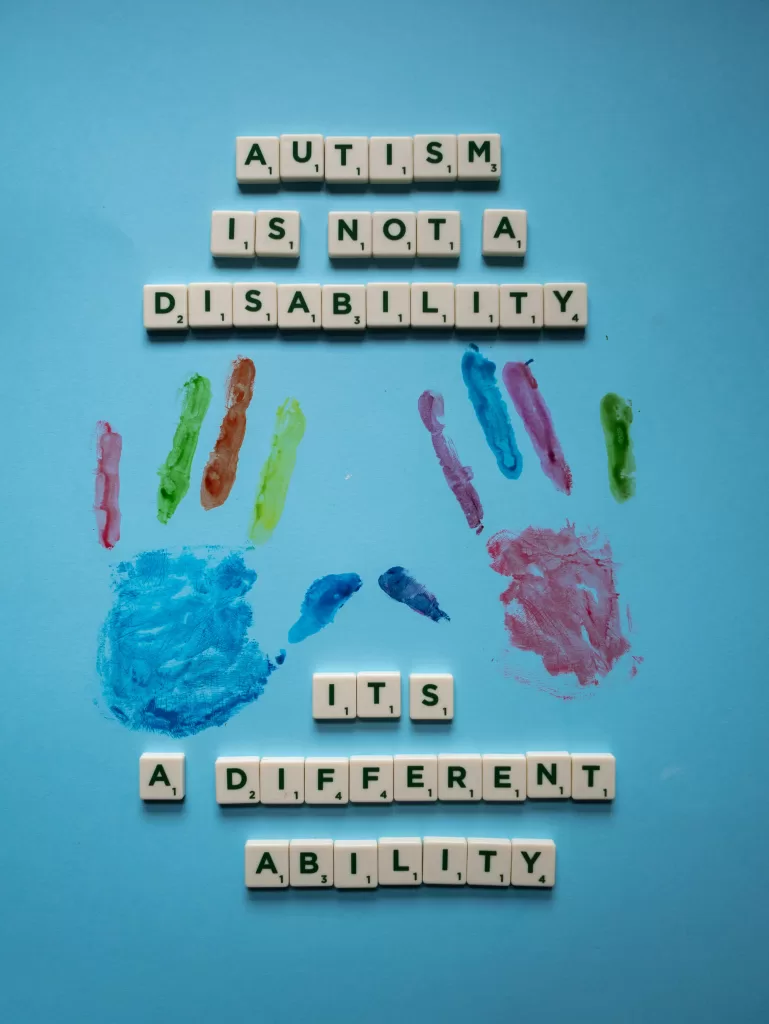
CANBERRA, AUSTRALIA — In a move that has sent shockwaves through the disability sector and sparked intense debate across the dining tables of thousands of families, the Australian Government has officially commenced its most significant overhaul of the National Disability Insurance Scheme (NDIS) since the program’s inception. At the heart of this “great pivot” is […]
Queensland Becomes First Australian State to Allow GPs to Prescribe ADHD Medication for Adults

In a landmark shift for neurodiversity healthcare, Queensland has become the first Australian state to permit specialist General Practitioners (GPs) to initiate, modify, and continue ADHD medication for adult patients. The reform, which officially commenced in December 2025, is designed to bypass the years-long waitlists and “exorbitant” costs associated with seeing private psychiatrists. Under the […]