Imagine a world where every public space, every piece of information, and every opportunity is open to everyone, regardless of their physical or cognitive abilities. This isn’t just a dream; it’s a goal that accessible communities strive for. Accessibility isn’t just about ramps and braille, it’s about breaking down barriers and building bridges that connect all members of society.
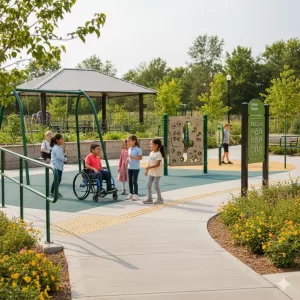
Beyond Physical Access: The Many Faces of Inclusion
When we think of accessibility, our minds often go straight to physical accommodations like wheelchair ramps and accessible restrooms. These are undeniably crucial, but true accessibility encompasses so much more. It includes:
Digital Accessibility: Ensuring websites, apps, and online content are usable by people with visual, hearing, cognitive, or motor impairments. This means things like screen reader compatibility, keyboard navigation, and clear, concise language.
Sensory Accessibility: Creating environments that are mindful of sensory sensitivities, common in individuals with autism or sensory processing disorders. This could mean quiet spaces, adjustable lighting, or clear signage.
Communication Accessibility: Providing information in various formats, such as sign language interpreters, closed captions, large print, or easy-to-read documents, to ensure everyone can understand and participate.
Attitudinal Accessibility: Perhaps the most important of all, this refers to fostering an inclusive mindset where individuals with disabilities are treated with respect, dignity, and are seen as valuable members of the community.
The Ripple Effect of Inclusive Design
Designing for accessibility doesn’t just benefit people with disabilities; it benefits everyone. A curb cut, initially for wheelchairs, also helps parents with strollers, delivery drivers, and travelers with luggage. Closed captions are invaluable for the deaf and hard of hearing, but also for those in noisy environments or learning a new language. When we design with the most vulnerable in mind, we create a more user-friendly and equitable experience for all.
Taking Action in Our Communities
Creating accessible communities requires a collective effort. It means:
Advocating for policies that mandate accessible design in new constructions and renovations.
Supporting businesses that prioritize accessibility in their services and infrastructure.
Educating ourselves and others on the diverse needs of people with disabilities.
Listening to the voices of individuals with disabilities to understand their experiences and how we can better support them.
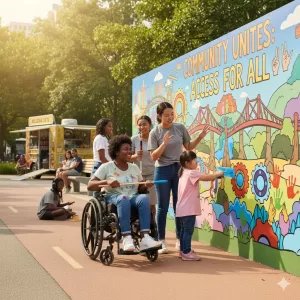
Let’s work together to build communities that truly welcome and include everyone, where every person has the opportunity to participate fully and independently.