
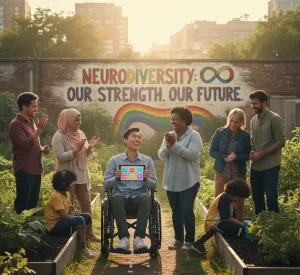
For too long, public understanding of autism has been clouded by misconceptions, rigid stereotypes, and outdated portrayals. Often, the narrative focuses on deficits or challenges, overlooking the incredible diversity, unique strengths, and rich contributions of autistic individuals. It’s time to move beyond the narrow lens of popular culture and embrace a more authentic, nuanced understanding of autism as a fundamental aspect of neurodiversity—a natural variation in the human brain.
Deconstructing Common Myths
One of the biggest hurdles to understanding autism is the persistence of damaging myths. Many still believe autism is a rare condition, exclusively affecting boys, or that autistic individuals lack empathy. These ideas are simply untrue. Autism is found in people of all genders, races, and socioeconomic backgrounds. While autistic individuals may express or process emotions differently, research increasingly shows that they possess empathy, often experiencing it intensely, though it might not manifest in typical ways. Furthermore, the idea that autism is a “disease” to be cured ignores the perspectives of many autistic people who view it as an integral part of their identity.
The “Spectrum” Means Infinite Diversity
The term “autism spectrum” is crucial but often misunderstood. It doesn’t imply a linear scale from “mild” to “severe.” Instead, it refers to a wide range of characteristics, challenges, and strengths that can vary significantly from one autistic person to another. Each individual’s experience is unique, like a fingerprint. Some autistic people may be non-speaking and require extensive support in daily life, while others may be highly articulate professionals who navigate the world with more independence, though still experiencing the world differently. Recognizing this profound diversity is the first step toward genuine understanding.
Uncovering Autistic Strengths and Talents
While autism can present challenges, it is also frequently associated with remarkable strengths that are invaluable in many contexts:
Exceptional Attention to Detail: Many autistic individuals possess an extraordinary ability to notice specifics that others might overlook, making them excellent in fields requiring precision, such as data analysis, coding, editing, and scientific research.
Deep Focus and Persistence: A strong capacity for hyper-focus on areas of interest can lead to incredible expertise and sustained effort in complex tasks. This intense dedication can drive significant innovation and achievement.
Logical and Analytical Thinking: Autistic minds often excel at systematic thinking, pattern recognition, and problem-solving, contributing significantly to technology, engineering, and mathematics.
Honesty and Directness: Autistic individuals are often appreciated for their straightforward communication, integrity, and adherence to rules, fostering trust and clarity in relationships and work environments.
Unique Perspectives: Their different way of perceiving the world can lead to novel ideas and creative solutions that non-autistic individuals might not consider, enriching teams and challenging conventional thinking.
Fostering a Neuroinclusive World
Moving forward requires a societal shift from aiming to “fix” autism to embracing and supporting neurodiversity. This means:
Promoting Acceptance, Not Just Awareness: Understanding the existence of autism is a start, but true acceptance involves valuing autistic individuals for who they are and integrating them fully into our communities.
Creating Inclusive Environments: This includes sensory-friendly spaces, flexible communication methods, and workplaces that appreciate diverse thinking styles. Accommodations are not special favors but necessary adjustments to ensure equal opportunity.
Listening to Autistic Voices: The most authentic insights come from autistic people themselves. Their experiences, preferences, and advocacy should guide our understanding and actions. The motto “Nothing About Us Without Us” is paramount.
Education and Early Support: Early identification and access to appropriate, individualized supports, therapies, and educational strategies can empower autistic children and adults to develop their skills and thrive.
By recognizing autism as a natural part of human variation and celebrating the unique contributions of autistic individuals, we can build a more compassionate, innovative, and truly inclusive world for everyone.