
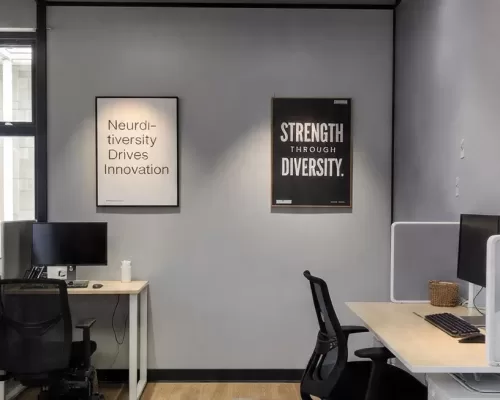
In the modern discourse surrounding talent, the concept of Neurodiversity—the idea that neurological differences like Autism are simply natural variations of the human genome—has gained vital traction. This perspective moves us away from viewing Autism Spectrum Disorder (ASD) as solely a collection of deficits, recognizing it instead as a unique cognitive style that brings distinct, measurable advantages. The business world is finally catching up, realizing that unlocking the potential of autistic professionals is not an act of charity, but a strategic imperative.
The Cognitive Strengths Driving Innovation
Autistic individuals often possess cognitive attributes that are highly prized in technical, analytical, and creative fields. These strengths, often stemming from differences in sensory processing and information retrieval, translate directly into business value:
Meticulous Attention to Detail: Many autistic professionals excel at spotting patterns, anomalies, or errors that others miss. This trait is invaluable in quality assurance, financial auditing, software testing, and data analysis—roles where precision directly impacts product quality and cost savings.
Sustained Hyper-focus: When engaged in an area of interest, autistic people often demonstrate an ability to maintain intense, prolonged focus. This deep concentration leads to mastery, efficiency, and high productivity, often enabling them to complete complex projects faster and more thoroughly than their neurotypical counterparts.
Systematic Logic: Autistic thinking is often highly logical, structured, and rational, leading to innovative problem-solving. They approach challenges from unconventional angles, unconstrained by conventional groupthink, generating creative solutions in engineering and design.
Integrity and Honesty: A preference for clear communication, integrity, and adherence to rules makes autistic employees consistently reliable, honest, and fiercely loyal once they find a supportive environment.
From Accommodation to Optimization
The key to realizing these advantages lies in modifying the workplace, not the person. Historically, companies focused on making “reasonable accommodations.” Today, the most forward-thinking organizations are building truly neuroinclusive environments that optimize the performance of all employees, neurotypical and neurodivergent alike.
This shift involves two key areas:
Rethinking the Hiring Process: Traditional job interviews, reliant on quick social cues, eye contact, and small talk, inherently disadvantage many autistic candidates. Successful programs replace these with skills-based assessments, multi-day practical trials, or clear, written Q&A formats, allowing candidates to demonstrate competence without needing to “mask” their neurology.
Building Sensory-Conscious Spaces: Simple changes can dramatically boost productivity. This includes providing access to quiet zones, offering noise-canceling headphones, using natural or controllable lighting, and communicating expectations in writing. These accommodations reduce sensory overload, lower anxiety, and allow deep cognitive work to flourish.
The Neurodiversity Paradigm in Action
The Neurodiversity paradigm proposes that the disability is often less about the individual’s brain and more about the environment’s lack of flexibility. When a company designs a space where clarity, respect for boundaries, and skill-based evaluation are paramount, the disability often recedes, and the strength emerges. Companies that actively champion neurodiversity are not just leading ethically; they are establishing a competitive advantage by tapping into a pool of unique talent ready to drive the next wave of innovation.
By welcoming the spectrum of human neurology, businesses can transform their culture, improve their bottom line, and create a workforce that truly reflects the richness of the world outside their office walls.