
Accessibility is more than just a buzzword; it’s a fundamental human right that allows everyone, regardless of their physical or cognitive abilities, to participate fully in society. It’s about designing and creating environments, products, and services that are usable by all. When we talk about accessibility, we often think of ramps and automatic doors, but it encompasses so much more, touching every aspect of our lives from digital interfaces to public transportation.
The Foundation of Inclusive Design
At its core, accessibility is about inclusive design. This approach considers the diverse needs of all potential users from the very beginning of the design process. Rather than retrofitting solutions for people with disabilities, inclusive design proactively builds in features that benefit everyone. For example, curb cuts, originally intended for wheelchair users, are now appreciated by parents with strollers, delivery workers, and travelers with luggage. This thoughtful design minimizes barriers and maximizes usability for a wider population.
Beyond Physical Ramps: A Multifaceted Approach
While physical accessibility, like ramps and accessible parking, is often the first thing that comes to mind, accessibility is a much broader concept. It encompasses various forms, each crucial for fostering a truly inclusive society.
1. Digital Accessibility: In our increasingly digital world, access to information and online services is paramount. Digital accessibility ensures that websites, apps, and other digital tools are usable by people with visual impairments (e.g., screen readers, high-contrast modes), hearing impairments (e.g., captions for videos, transcripts), cognitive disabilities, and motor skill limitations (e.g., keyboard navigation). A website designed with digital accessibility in mind benefits everyone, making information easier to digest and navigate. Imagine trying to book a train ticket online if the website isn’t compatible with your screen reader – a seemingly simple task becomes an insurmountable hurdle.
2. Transportation Accessibility: Reliable and accessible transportation is a cornerstone of independent living. This includes buses with ramps or lifts, accessible subway stations and trains, and paratransit services. When public transportation is accessible, individuals with mobility challenges can commute to work, attend appointments, and engage in social activities, reducing isolation and fostering economic participation. This isn’t just about getting from point A to point B; it’s about connecting people to opportunities and vital resources within their communities.
3. Workplace Accessibility: An accessible workplace goes beyond physical modifications like adjustable desks and wider doorways. It also includes providing assistive technologies, flexible work arrangements, and inclusive communication methods. When employers prioritize accessibility, they tap into a wider talent pool, fostering a more diverse and innovative workforce. This creates an environment where everyone has the opportunity to contribute their skills and thrive professionally. It’s about recognizing that talent comes in many forms and ensuring that no one is excluded due to outdated barriers.
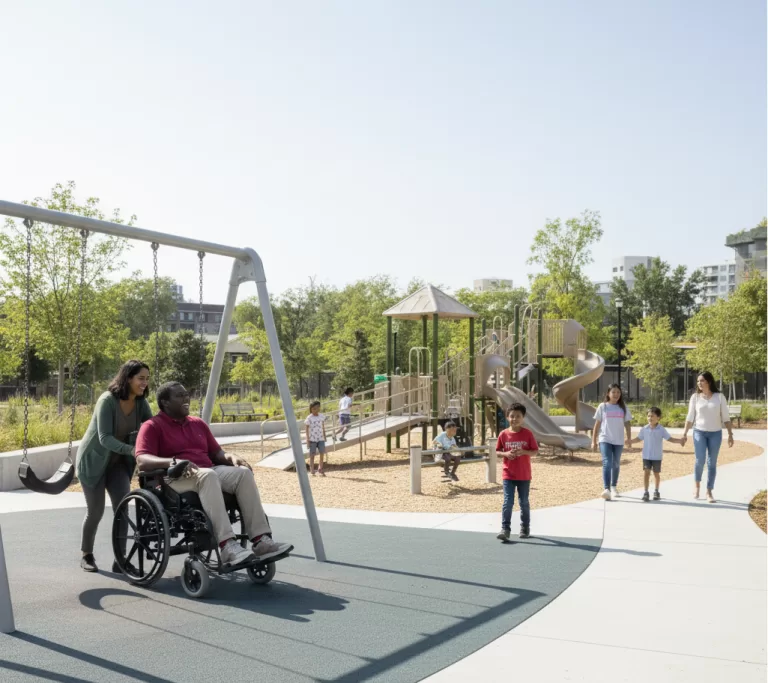
4. Community and Recreational Accessibility: Access to recreational spaces, cultural institutions, and community events is vital for social well-being and quality of life. This means parks with accessible pathways, museums with tactile exhibits and audio descriptions, and theaters with assisted listening devices and sign language interpreters. When communities are designed to be accessible, they foster a sense of belonging and provide opportunities for everyone to enjoy leisure activities, engage with arts and culture, and connect with their neighbors. It enriches the entire community by allowing diverse perspectives and experiences to be shared.