
When we think about disabilities, our minds often go to visible challenges or the need for accessibility. However, there’s a significant, often invisible, burden that impacts millions: the extra cost of living with a disability. It’s an unspoken reality, a kind of “invisible tax” that forces individuals and families to stretch their budgets far beyond what non-disabled individuals typically face. Understanding these financial realities is crucial to advocating for a more equitable society.
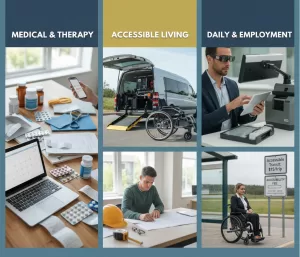
Beyond Basic Necessities: The Layers of Added Expense
The extra costs associated with disability are multifaceted and can appear in almost every aspect of life:
Healthcare and Therapies (Often Ongoing):
Even with insurance, co-pays for doctor visits, specialists, medications, and various therapies (physical, occupational, speech, behavioral) can quickly accumulate.
Specialized medical equipment, even basics like certain bandages or feeding tubes, might not be fully covered.
Many critical therapies are considered “alternative” or simply capped, leading to out-of-pocket expenses.
Accessible Living and Equipment:
Housing Modifications: Ramps, widened doorways, roll-in showers, accessible kitchens, stairlifts – these are not minor expenses and are rarely fully subsidized.
Assistive Technology: Wheelchairs (manual or power), prosthetics, hearing aids, communication devices, screen readers, magnifiers, and specialized computer equipment are often very expensive and require regular maintenance or upgrades.
Accessible Transportation: Modified vehicles (vans with lifts, hand controls) can cost tens of thousands more than standard vehicles. Accessible taxis or ride-shares are often more expensive or less available.
Daily Living and Support:
Personal Care Assistance: Many individuals require paid support for daily tasks like bathing, dressing, cooking, or managing medications. These hours can quickly add up to significant monthly costs.
Specialized Diets/Products: Some disabilities require specific dietary needs or specialized hygiene products that are more expensive than standard options.
Service Animals: While invaluable, service animals come with costs for training, food, veterinary care, and grooming.
Employment and Education Barriers:
Lower Employment Rates: People with disabilities often face higher unemployment rates or underemployment, leading to lower income levels.
Workplace Accommodations: While employers are often legally required to provide reasonable accommodations, some specialized tools or adaptive technologies can be costly, and the process to secure them can be complex.
Education: Specialized tutors, adaptive learning materials, or support staff in educational settings can incur additional costs.
The “Disability Poverty Gap”
Research consistently shows a “disability poverty gap”—meaning people with disabilities are disproportionately more likely to live in poverty. This isn’t because they are less capable, but because of these systemic additional costs combined with barriers to employment and often inadequate social support systems.
What Can We Do?
Recognizing this “invisible tax” is the first step. The next is to advocate for:
Robust Social Safety Nets: Adequate disability benefits that genuinely cover the cost of living and additional expenses.
Affordable Healthcare: Comprehensive coverage for therapies, equipment, and medical needs.
Funding for Accessibility: Grants or programs to help individuals and businesses cover the costs of necessary modifications.
Inclusive Employment Initiatives: Programs that actively support hiring and accommodating people with disabilities.
By understanding the true financial landscape, we can move beyond mere awareness to tangible support and create a society where living with a disability doesn’t automatically mean living with financial hardship.