
From the ancient wisdom of the Indigenous Dreaming to the cutting-edge innovation in our cities, Australia is a land of incredible diversity. This richness extends to how we learn, understand, and interact with the world around us. In schools, homes, and workplaces across the country, we’re recognizing that there’s no single “Aussie way” to learn. Embracing diverse learning styles is crucial for unlocking the full potential of every individual, from the youngest learners to seasoned professionals.
The Great Southern Land of Learning Styles
Just as Australia boasts incredible natural landscapes, from the Great Barrier Reef to the vast Outback, our brains exhibit a beautiful diversity in how they learn. Some people thrive by seeing information – maps of our vast continent, diagrams of ecological systems, or visual art from First Nations artists resonate deeply. Others excel by hearing – the spoken histories of our land, engaging podcasts on Australian innovation, or group discussions about current affairs bring concepts to life. Then there are the doers – those who learn best through hands-on activities, whether it’s building a project, engaging in a bushwalk, or participating in a workshop. Many of us are a mix, leveraging multiple senses to grasp new ideas.
Australia’s Unique Contributions to Varied Learning
Our diverse nation offers countless opportunities to cater to these varied styles, both within and outside formal education.
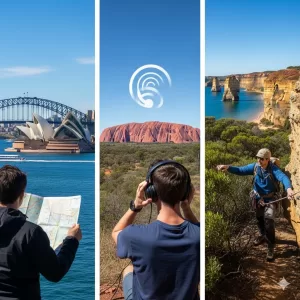
Visual Learners: The stunning natural beauty of our national parks, the vibrant street art in Melbourne and Sydney, and the rich cultural displays in museums across the country provide real-world visual learning experiences. Educational documentaries about Australian wildlife or history also play a crucial role.
Auditory Learners: From listening to Dreamtime stories passed down through generations, to engaging with radio programs like ABC’s RN or podcasts discussing Australian society, our oral traditions and media landscape foster auditory learning. Even the distinct sounds of the Australian bush can be a pathway to understanding our unique environment.
Kinesthetic Learners: Hands-on activities are abundant! Exploring a marine park, participating in a farm stay, learning traditional Indigenous crafts, or engaging in outdoor sports allows for tactile and experiential learning. Bush tucker walks, where you can touch, smell, and even taste, offer immersive experiences.
Cultivating Inclusive Learning Environments
Whether you’re a parent, an educator, an employer, or just a curious individual, recognizing and supporting diverse learning styles can make a profound impact across Australia.
Offer Choices: Provide different ways for individuals to engage with a topic – reading, listening, watching, or hands-on exploration.
Mix it Up: Don’t stick to just one method. Combine visual aids with spoken explanations and practical application.
Encourage Self-Awareness: Help learners understand how they learn best, empowering them to seek out resources and approaches that suit their individual needs.
Celebrate Differences: Reinforce the idea that there’s no “right” way to learn, only different and equally valid ways.
By embracing and adapting to the diverse ways Australians learn, we can ensure that everyone has the opportunity to thrive and contribute to our nation’s rich tapestry.